
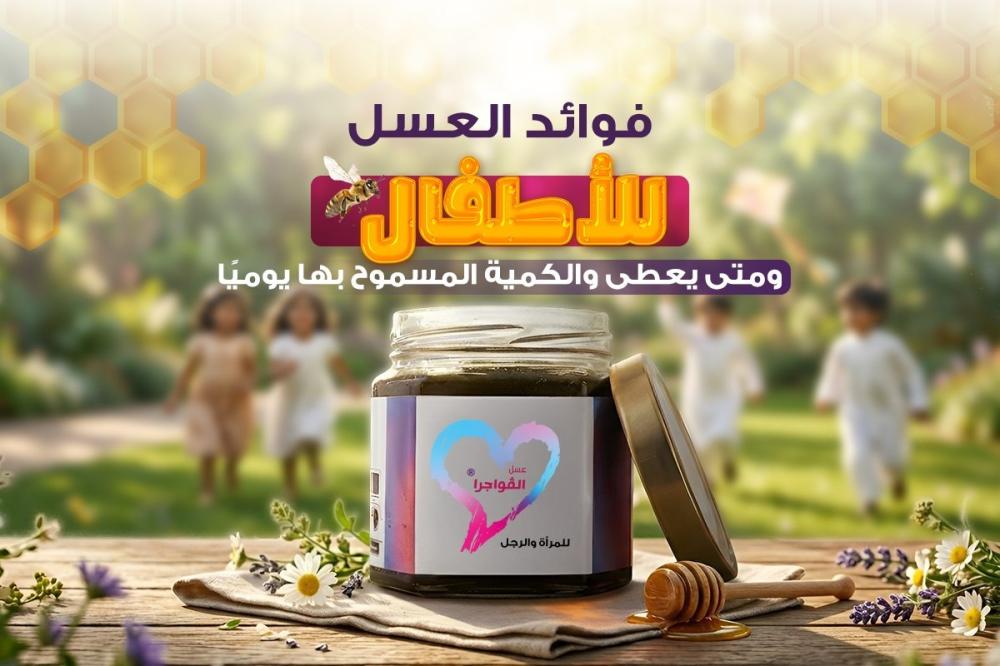
Honey for children is a topic that needs clear understanding before use, because honey is a natural food known for its taste and value in the daily routine, but it does not suit all ages in the same way, infants under one year old should not consume honey at all, while after the age of one year it can be introduced carefully and in a small amount within a balanced diet, so this article helps you understand the benefits of honey for children, when it can be given, whether taking it on an empty stomach is suitable, and what daily amount can be considered according to the child’s age and health condition.
Benefits of Honey for Children
The benefits of honey for children appear when it is used at the right age and in a moderate amount, it is not a treatment and not a replacement for main meals, but it can be a simple nutritional addition after the age of one year, especially if the child eats normally and does not have an allergy or a health condition that needs special follow up, honey should be part of a varied diet that contains fruits, vegetables, proteins and whole grains, not a daily excess habit or a way to sweeten every food.
Honey for children may be useful in terms of taste and ease of use, because it helps some children accept simple foods such as yogurt, oats or bread, but its value does not come from using large amounts, it comes from using it in the right place during the day, a child does not need a large amount of sugars even if they come from a natural source, and the more limited and clear the use is, the better.
The benefits of honey for children can be viewed in this practical way.
- It helps add a natural taste to some meals instead of relying constantly on white sugar.
- It may make some healthy foods such as oats or yogurt more acceptable for the child.
- It provides a quick source of energy from natural sugars when used in a small amount.
- It suits some children after the age of one year within a balanced nutritional routine.
- It can be used in simple homemade recipes without excessive sweetening.
- It does not replace real food such as fruits, vegetables and protein.
- It requires caution for children who have allergies to bee products.
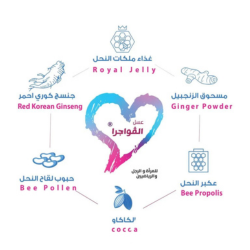
It is important to distinguish between natural honey and functional honey when talking about honey for children, simple natural honey after the age of one is different from honey blends that contain additional ingredients such as royal jelly, bee pollen, ginseng, or propolis, and one example is Vawagra Honey which is based on Kashmiri Sidr honey with selected natural ingredients and is intended for functional food use by adults, so this type of product should not be given to children without consulting a doctor, and it should not be assumed suitable for a child just because it contains honey.
When Can Honey Be Given to Children
When thinking about giving honey to children, the child’s age should be the first point to consider, because honey should not be given to infants before the age of 12 months, no matter how small the amount is or whether it is mixed with water or food, the infant’s digestive system at this age is not ready to deal with some risks linked to honey, and the CDC confirms that honey may cause infant botulism in children under 12 months, so it should be completely avoided at this age.
After the age of one year, honey can be given to children in small amounts if the child does not have an allergy or a condition that requires a special diet, it is better for parents to start with a small amount inside a familiar meal such as yogurt or oats, then monitor the child’s response in terms of digestion or the appearance of any allergy, and it is not preferable to introduce honey for the first time when the child is sick or taking a new medicine so it does not become difficult to know the cause of any reaction.
Honey for children after the age of one year does not mean that it should become a fixed daily food, it can be used when needed as a simple addition, and if the child eats fruits, grains and vegetables well, they may not need honey daily, because the goal is not to increase sugars but to improve food variety in a moderate way, and it is always better for the basic habit to be offering natural food without excessive sweetening so the child does not get used to a sweet taste in every meal.
If the child has an allergy to bee products, a strong family history of allergy, digestive problems or a chronic disease, it is better to consult a doctor before giving honey, and this applies more strongly to products that contain additional ingredients beside honey, because functional honey blends may contain elements that do not suit children or need a specific age for use.
Benefits of Honey for Children on an Empty Stomach
When parents ask about giving honey to children on an empty stomach, it should be made clear that this timing is not necessary to get a benefit, and it may not suit every child, especially if the child does not like a sweet taste in the morning or has stomach discomfort, so the child should not be forced to take it before breakfast, it is better for honey to be part of a light meal or a balanced breakfast, and if the child is older than one year and there are no health restrictions, a small amount of honey can be added to a morning meal such as oats, yogurt or a piece of bread, and this is better than giving honey alone on an empty stomach, because having it within a meal makes its use more balanced, reduces the child’s direct attachment to sugary taste, and helps make it part of real food rather than just a separate sweet spoon.
Honey for children on an empty stomach should not be presented as a solution for immunity, activity or appetite, because a child’s health needs good sleep, regular meals, water, movement and medical follow up when needed, while honey is only a simple addition inside food, and if the child has poor appetite, repeated tiredness or clear weight loss, it is better to look for the cause with a doctor instead of depending on honey alone, it is also better to avoid giving honey to children in the morning if the child has diabetes, excess weight, dental problems or allergy to bee products, because honey contains natural sugars and may increase exposure to sweet taste, so after taking it, attention should be given to rinsing the mouth or drinking water and organizing eating habits in general, especially for children who ask for sweets often.
Read more : What is the Difference Between Raw Honey and Natural Honey Blends?
Daily Amount of Honey Allowed for Children
The daily amount of honey allowed for children depends on the child’s age, health condition and overall diet, and there is no single amount that suits all children, but the best rule is that the amount should be small and limited after the age of one year, and it should not be used to replace a meal, treat a health problem or permanently improve appetite, because honey is still a source of sugars even if it is natural, and for children after the age of one year, it is possible to start with a very small amount inside food, such as half a teaspoon or less depending on the child’s acceptance, and with older children the amount can increase slightly when needed, but it is not preferable to turn honey into a large daily habit, because the child also gets sugar from fruits and some other foods, and the priority should be balanced food, not sweeteners.
The amounts can be considered in a general way while keeping in mind the need to consult a doctor when there is any health condition, after the age of one year, a very small amount can be tried inside food and not for infants under one year, from one to three years old the amount should preferably be very limited and not given daily without need, older children can take a small amount within a balanced meal if there are no health restrictions, honey should not be given before sleep so sugar does not stay on the teeth for a long time, honey should not be used repeatedly to calm the child or as a daily reward, honey should not be given with functional blends that contain additional ingredients without consultation, and use should be stopped and a doctor should be consulted if rash, vomiting, difficulty breathing or any sign of allergy appears, and when talking about Vawagra Honey or any functional honey that contains ingredients such as ginseng, royal jelly, bee pollen or propolis, it should be noted that these formulas are not like ordinary honey intended for children’s daily food, and it is not preferable to give them to a child without clear medical advice, because some ingredients may not suit children or may cause allergy in certain groups, so if the goal is honey for children, it is better to choose simple natural honey after the age of one year and in a limited amount.
Frequently Asked Questions
Here are three important questions that help you use honey for children in a safe and clear way, especially when thinking about the child’s age, the suitable amount and the difference between an infant and an older child.
Is Honey After One Year Safe for Children?
Yes, honey after the age of one year can be safe for some children when used in a small amount and within balanced food, provided there is no allergy or special health condition, but it should not be given to an infant before the age of 12 months at all.
What Are the Harms of Honey for an Infant?
The most important possible harm is the risk of infant botulism in infants under one year, so honey should not be given to an infant whether alone, inside food, with water or on a pacifier, because this age needs complete avoidance of honey, not just reducing the amount.
How Many Spoons of Honey Are Allowed for Children?
There is no single amount that suits all children, but after the age of one year it is better to start with a very small amount inside food, and with older children a simple amount can be used when needed without excess, and it is better to consult a doctor if the child has an allergy, diabetes, a health problem or takes medicine regularly.
Honey for children can be a pleasant nutritional addition after the age of one year if it is used consciously and in a suitable amount, but it is not necessary for every child and should not be given to infants or used as a replacement for balanced food, so always start with the child’s age and health condition, read the product ingredients carefully, avoid functional honey blends for children except after consulting a specialist, and choose simple natural honey when the goal is limited daily use inside a healthy meal.
Read more :